/ May 21, 2026
Trending
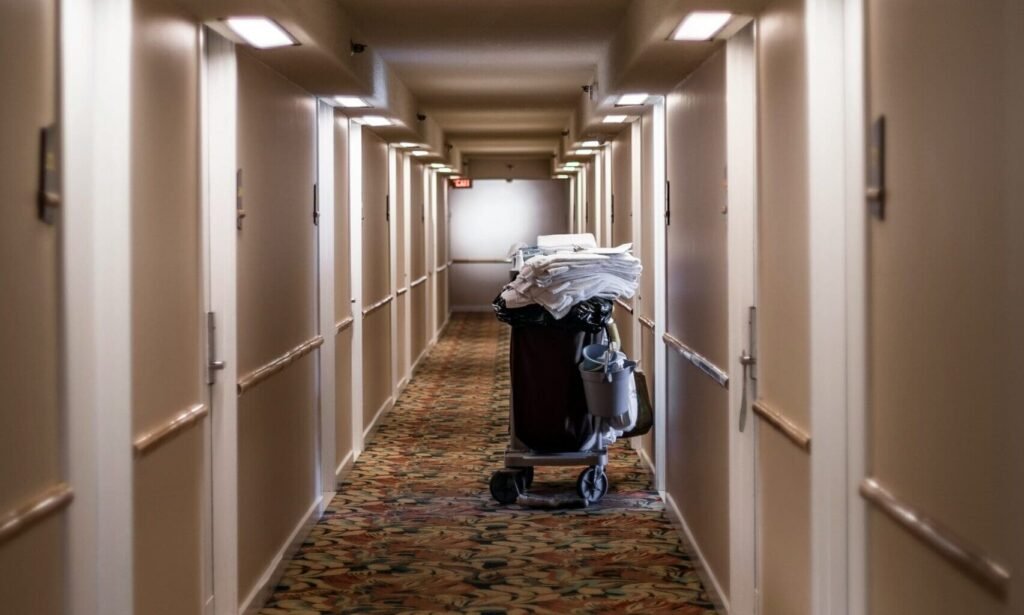
The hospitality sector has suffered some of the sharpest drops in payroll numbers nationwide as UK unemployment rose to 5% in the three months to March.
According to data from the Office for National Statistics (ONS), youth unemployment reached 14.7%, marking the highest level for the age group since late 2014.
Provisional figures for April indicate further contraction across the wider labour market, with the total number of payrolled employees falling by 100,000 compared to the previous month.
Trade body UKHospitality has attributed falling job vacancies, hours available and scarcer recruitment plans as a result of recent legislative measures such as the national minimum wage increase and higher business rates introduced in April.
Kate Nicholls, chief executive of UKH, said: “The government’s approach to balance the books on the backs of high street businesses is resulting in rising unemployment and fewer job opportunities, particularly for young people.
“The past two Budgets have inflicted more than £5bn of additional costs onto hospitality businesses, forcing them to cut jobs, slash hours and scrap plans for new roles. Today’s figures are clear evidence that hospitality has been disproportionately affected, as the ONS itself calls out and we warned would be the case.”
She added: “If the government wants to grow the economy and get people back into work, it needs hospitality’s help. Rather than taxing jobs out of the sector, it should reduce our weighty cost burden to allow businesses to create jobs. That should start with a cut to VAT for hospitality and a meaningful reduction in business rates for the entire sector.”
News Analysis
The hospitality industry’s struggle is evident as payrolls drop sharply, echoing a similar collapse during the autumn of 2025, when nearly 9,000 jobs vanished in December while businesses faced increasing costs brought on by legislative changes. Current ONS data shows stark declines with the total number of employees in hospitality falling by 100,000 in April, paralleling historical trends where fiscal pressures lead to drastic workforce reductions.
Recent warnings from UKHospitality paint a dire picture, revealing that a combination of recent taxation and escalating costs could accelerate job losses. During 2018, UKHospitality previously alerted the government of the looming threat of unemployment as costs rose, indicating a consistent narrative where excessive tax burdens directly correlate with losses in employment opportunities, particularly affecting younger demographics. Kate Nicholls’ remarks about the cumulative impacts of these financial pressures reflect a cyclic pattern of decline that workforce growth initiatives fail to counterbalance.
The current crisis reflects an ongoing inability of businesses to staff adequately, exacerbated by rising costs pushed down by additional wage legislation and increased National Insurance contributions. Much like the ongoing challenges faced in 2021, where 355,000 employees exited the sector, the mounting financial strain endangers not only job retention but the economic viability of establishments reliant on an adaptable workforce. Fiscal policy choices continue to present a formidable barrier against the recovery of employment levels in hospitality.
The hospitality sector has suffered some of the sharpest drops in payroll numbers nationwide as UK unemployment rose to 5% in the three months to March.
According to data from the Office for National Statistics (ONS), youth unemployment reached 14.7%, marking the highest level for the age group since late 2014.
Provisional figures for April indicate further contraction across the wider labour market, with the total number of payrolled employees falling by 100,000 compared to the previous month.
Trade body UKHospitality has attributed falling job vacancies, hours available and scarcer recruitment plans as a result of recent legislative measures such as the national minimum wage increase and higher business rates introduced in April.
Kate Nicholls, chief executive of UKH, said: “The government’s approach to balance the books on the backs of high street businesses is resulting in rising unemployment and fewer job opportunities, particularly for young people.
“The past two Budgets have inflicted more than £5bn of additional costs onto hospitality businesses, forcing them to cut jobs, slash hours and scrap plans for new roles. Today’s figures are clear evidence that hospitality has been disproportionately affected, as the ONS itself calls out and we warned would be the case.”
She added: “If the government wants to grow the economy and get people back into work, it needs hospitality’s help. Rather than taxing jobs out of the sector, it should reduce our weighty cost burden to allow businesses to create jobs. That should start with a cut to VAT for hospitality and a meaningful reduction in business rates for the entire sector.”
News Analysis
The hospitality industry’s struggle is evident as payrolls drop sharply, echoing a similar collapse during the autumn of 2025, when nearly 9,000 jobs vanished in December while businesses faced increasing costs brought on by legislative changes. Current ONS data shows stark declines with the total number of employees in hospitality falling by 100,000 in April, paralleling historical trends where fiscal pressures lead to drastic workforce reductions.
Recent warnings from UKHospitality paint a dire picture, revealing that a combination of recent taxation and escalating costs could accelerate job losses. During 2018, UKHospitality previously alerted the government of the looming threat of unemployment as costs rose, indicating a consistent narrative where excessive tax burdens directly correlate with losses in employment opportunities, particularly affecting younger demographics. Kate Nicholls’ remarks about the cumulative impacts of these financial pressures reflect a cyclic pattern of decline that workforce growth initiatives fail to counterbalance.
The current crisis reflects an ongoing inability of businesses to staff adequately, exacerbated by rising costs pushed down by additional wage legislation and increased National Insurance contributions. Much like the ongoing challenges faced in 2021, where 355,000 employees exited the sector, the mounting financial strain endangers not only job retention but the economic viability of establishments reliant on an adaptable workforce. Fiscal policy choices continue to present a formidable barrier against the recovery of employment levels in hospitality.
It is a long established fact that a reader will be distracted by the readable content of a page when looking at its layout. The point of using Lorem Ipsum is that it has a more-or-less normal distribution of letters, as opposed to using ‘Content here, content here’, making it look like readable English. Many desktop publishing packages and web page editors now use Lorem Ipsum as their default model text, and a search for ‘lorem ipsum’ will uncover many web sites still in their infancy.
It is a long established fact that a reader will be distracted by the readable content of a page when looking at its layout. The point of using Lorem Ipsum is that it has a more-or-less normal distribution of letters, as opposed to using ‘Content here, content here’, making it look like readable English. Many desktop publishing packages and web page editors now use Lorem Ipsum as their default model text, and a search for ‘lorem ipsum’ will uncover many web sites still in their infancy.
The point of using Lorem Ipsum is that it has a more-or-less normal distribution of letters, as opposed to using ‘Content here, content here’, making

The point of using Lorem Ipsum is that it has a more-or-less normal distribution of letters, as opposed to using ‘Content here, content here’, making it look like readable English. Many desktop publishing packages and web page editors now use Lorem Ipsum as their default model text, and a search for ‘lorem ipsum’ will uncover many web sites still in their infancy.

It is a long established fact that a reader will be distracted by the readable content of a page when looking at its layout. The point of using Lorem Ipsum is that it has a more-or-less normal distribution
Copyright BlazeThemes. 2023