/ May 08, 2026
Trending
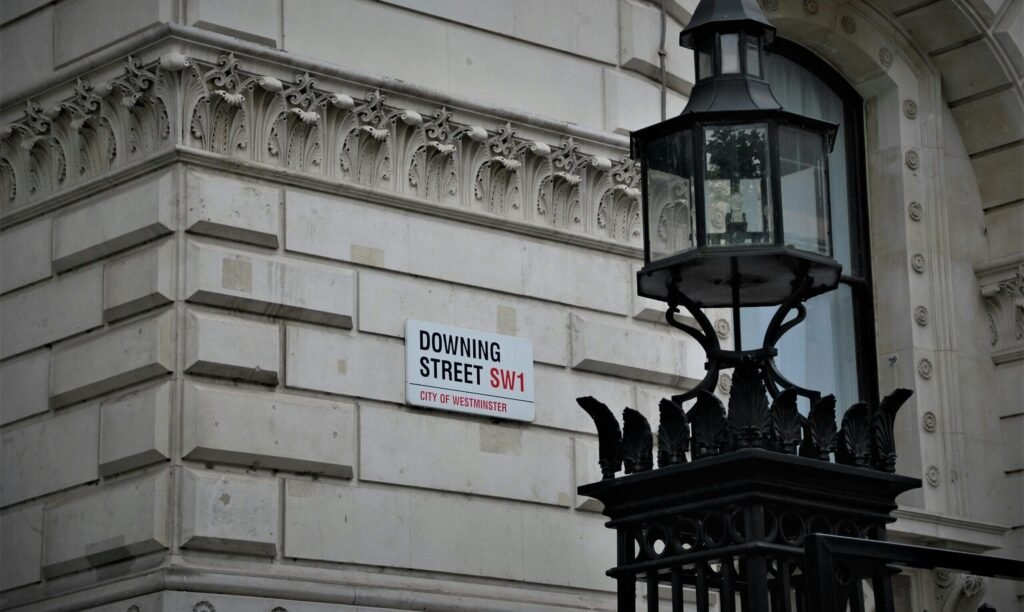
UKHospitality has urged the government to implement targeted measures to support the sector as energy costs continue to rise.
In a letter to the chancellor, the trade body outlined six proposals designed to provide stability for hospitality businesses facing increased financial pressure.
The group requested an obligation for energy suppliers to offer new contracts and a cap on requested deposits. It also called for the avoidance of sector-specific profiling, which it claims has previously prevented hospitality businesses from accessing energy contracts.
Proposed measures include grants or market intervention for firms ending fixed-term contracts and a reduction in non-commodity charges. UKH further requested that no additional levies be placed on energy bills to fund other sectors, specifically asking for a reconsideration of the current nuclear levy.
In addition, the body recommended a Competition and Markets Authority (CMA) investigation into the business energy market to address competition issues. It also called for the postponement of several regulations, including the Deposit Return Scheme and mandatory reporting requirements.
Industry leaders remain unanimous that cutting VAT to 10%, lowering business rates, and stopping the holiday tax would effectively reduce the overall cost burden. The sector faces challenges from higher energy prices, supply chain costs, and a reduced customer base.
Allen Simpson, chief executive of UKH, said: “Businesses within the hospitality sector are increasingly concerned about the impact of the crisis in the Middle East and how this will affect our already strained sector.
“We are urging the government to urgently pull together, in discussion with industry, targeted measures that support the hospitality sector. We hope that the situation will improve but the government needs to be in a position to urgently help the sector – due to the fragility of the sector, even before the crisis, caused by substantial cost increases.”
He added: “Timely intervention can reduce the risk that viable businesses are lost, preventing lasting consequences for communities across the country.”
News Analysis
As UKHospitality urges the government for action amidst soaring energy costs, echoes of past pleas become discernible. In September 2022, the organisation reported that one in five businesses faced collapse due to relentless energy price increases, which could lead to a significant drop in employment (UKH calls for action as 1 in 5 businesses warn of collapse). This calls into question the effectiveness of governmental responses to crises within the hospitality sector.
Historically, the hospitality industry has fought repeatedly for concessions such as VAT reductions and business rates holidays, notably during the pandemic’s economic fallout. Back in January 2021, UKHospitality underscored the need for further support due to an unprecedented downturn, advocating for a VAT extension and a business rates holiday (UKH calls for business rates holiday and VAT cut extension). Each call for action reflects a pattern of short-term fixes rather than long-term policy reform.
The current demand for targeted measures also mirrors a desperate attempt to stay afloat amidst ongoing inflationary pressures, which have only worsened as businesses grapple with energy pricing. The hospitality sector has continuously warned that without systemic changes, such as regulatory scrutiny of energy suppliers, the situation may spiral further out of control (UKH calls for urgent investigation into energy suppliers’ pricing). This leaves the overarching question of whether these repeated appeals will yield sustainable solutions or merely prompt another cycle of reactive measures.
UKHospitality has urged the government to implement targeted measures to support the sector as energy costs continue to rise.
In a letter to the chancellor, the trade body outlined six proposals designed to provide stability for hospitality businesses facing increased financial pressure.
The group requested an obligation for energy suppliers to offer new contracts and a cap on requested deposits. It also called for the avoidance of sector-specific profiling, which it claims has previously prevented hospitality businesses from accessing energy contracts.
Proposed measures include grants or market intervention for firms ending fixed-term contracts and a reduction in non-commodity charges. UKH further requested that no additional levies be placed on energy bills to fund other sectors, specifically asking for a reconsideration of the current nuclear levy.
In addition, the body recommended a Competition and Markets Authority (CMA) investigation into the business energy market to address competition issues. It also called for the postponement of several regulations, including the Deposit Return Scheme and mandatory reporting requirements.
Industry leaders remain unanimous that cutting VAT to 10%, lowering business rates, and stopping the holiday tax would effectively reduce the overall cost burden. The sector faces challenges from higher energy prices, supply chain costs, and a reduced customer base.
Allen Simpson, chief executive of UKH, said: “Businesses within the hospitality sector are increasingly concerned about the impact of the crisis in the Middle East and how this will affect our already strained sector.
“We are urging the government to urgently pull together, in discussion with industry, targeted measures that support the hospitality sector. We hope that the situation will improve but the government needs to be in a position to urgently help the sector – due to the fragility of the sector, even before the crisis, caused by substantial cost increases.”
He added: “Timely intervention can reduce the risk that viable businesses are lost, preventing lasting consequences for communities across the country.”
News Analysis
As UKHospitality urges the government for action amidst soaring energy costs, echoes of past pleas become discernible. In September 2022, the organisation reported that one in five businesses faced collapse due to relentless energy price increases, which could lead to a significant drop in employment (UKH calls for action as 1 in 5 businesses warn of collapse). This calls into question the effectiveness of governmental responses to crises within the hospitality sector.
Historically, the hospitality industry has fought repeatedly for concessions such as VAT reductions and business rates holidays, notably during the pandemic’s economic fallout. Back in January 2021, UKHospitality underscored the need for further support due to an unprecedented downturn, advocating for a VAT extension and a business rates holiday (UKH calls for business rates holiday and VAT cut extension). Each call for action reflects a pattern of short-term fixes rather than long-term policy reform.
The current demand for targeted measures also mirrors a desperate attempt to stay afloat amidst ongoing inflationary pressures, which have only worsened as businesses grapple with energy pricing. The hospitality sector has continuously warned that without systemic changes, such as regulatory scrutiny of energy suppliers, the situation may spiral further out of control (UKH calls for urgent investigation into energy suppliers’ pricing). This leaves the overarching question of whether these repeated appeals will yield sustainable solutions or merely prompt another cycle of reactive measures.
It is a long established fact that a reader will be distracted by the readable content of a page when looking at its layout. The point of using Lorem Ipsum is that it has a more-or-less normal distribution of letters, as opposed to using ‘Content here, content here’, making it look like readable English. Many desktop publishing packages and web page editors now use Lorem Ipsum as their default model text, and a search for ‘lorem ipsum’ will uncover many web sites still in their infancy.
It is a long established fact that a reader will be distracted by the readable content of a page when looking at its layout. The point of using Lorem Ipsum is that it has a more-or-less normal distribution of letters, as opposed to using ‘Content here, content here’, making it look like readable English. Many desktop publishing packages and web page editors now use Lorem Ipsum as their default model text, and a search for ‘lorem ipsum’ will uncover many web sites still in their infancy.
The point of using Lorem Ipsum is that it has a more-or-less normal distribution of letters, as opposed to using ‘Content here, content here’, making

The point of using Lorem Ipsum is that it has a more-or-less normal distribution of letters, as opposed to using ‘Content here, content here’, making it look like readable English. Many desktop publishing packages and web page editors now use Lorem Ipsum as their default model text, and a search for ‘lorem ipsum’ will uncover many web sites still in their infancy.

It is a long established fact that a reader will be distracted by the readable content of a page when looking at its layout. The point of using Lorem Ipsum is that it has a more-or-less normal distribution
Copyright BlazeThemes. 2023