/ May 10, 2026
Trending
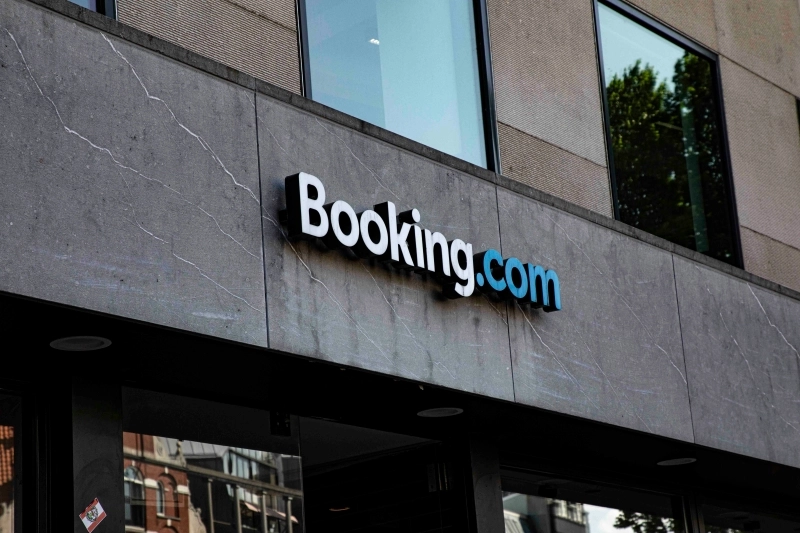

Phishing Scams on Booking.com: A Growing Concern for Travelers and Hotels – Image Credit Unsplash
Milo Boyd of the Mirror reports that phishing scams targeting Booking.com users are increasingly sophisticated. These scams cause significant financial losses and undermine trust in the travel industry. These scams not only affect unsuspecting travelers but also place a heavy burden on accommodation providers, who must manage the fallout.
The Rise of Sophisticated Scams
Travel expert Milo Boyd nearly fell victim to a phishing scam after receiving a convincing message via WhatsApp, purportedly from a guest relations manager at Booking.com. The message requested confirmation of credit card details due to a supposed security flag on his booking. This incident highlights scammers’ advanced tactics, including timing their communications to coincide with actual bookings and mimicking official contact points to appear legitimate.
Impact on Travelers and Hotels
The consequences of these scams extend beyond the immediate financial losses, which have totaled over £370,000 in the UK alone between June 2023 and September 2024. Victims like Dr. Leigh Jones, who lost over £1,000, express a loss of trust in Booking.com, impacting their future engagement with the platform. Hotels and other accommodation providers also suffer; Balaram Thapa, a hotelier in Kathmandu, shared the frustration of dealing with the repercussions when guests fall prey to these scams. The damage to reputation and customer trust can be long-lasting and more challenging to repair than the financial aspects.
Legal and Security Perspectives
From a legal standpoint, American lawyer Sean Malloy emphasizes the importance of never clicking on payment links sent via email or text and suggests using two-factor authentication and regular account reviews to prevent phishing. Booking.com asserts that while their system has not been directly breached, the scams affecting their users and partners are part of a broader issue of online fraud that many industries are battling.
Booking.com’s Response and Measures
In response to the increasing threat, Booking.com has implemented robust security measures, including AI and machine-learning technologies, to detect and block potential threats. They encourage users to verify payment policies and contact customer service if there are any concerns about the legitimacy of communication. Additionally, the platform takes steps to verify new accommodation listings thoroughly, although the ease of setting up a host page does raise concerns about potential vulnerabilities.
Discover more at Daily Mirror.
Phishing Scams on Booking.com: A Growing Concern for Travelers and Hotels – Image Credit Unsplash
Milo Boyd of the Mirror reports that phishing scams targeting Booking.com users are increasingly sophisticated. These scams cause significant financial losses and undermine trust in the travel industry. These scams not only affect unsuspecting travelers but also place a heavy burden on accommodation providers, who must manage the fallout.
The Rise of Sophisticated Scams
Travel expert Milo Boyd nearly fell victim to a phishing scam after receiving a convincing message via WhatsApp, purportedly from a guest relations manager at Booking.com. The message requested confirmation of credit card details due to a supposed security flag on his booking. This incident highlights scammers’ advanced tactics, including timing their communications to coincide with actual bookings and mimicking official contact points to appear legitimate.
Impact on Travelers and Hotels
The consequences of these scams extend beyond the immediate financial losses, which have totaled over £370,000 in the UK alone between June 2023 and September 2024. Victims like Dr. Leigh Jones, who lost over £1,000, express a loss of trust in Booking.com, impacting their future engagement with the platform. Hotels and other accommodation providers also suffer; Balaram Thapa, a hotelier in Kathmandu, shared the frustration of dealing with the repercussions when guests fall prey to these scams. The damage to reputation and customer trust can be long-lasting and more challenging to repair than the financial aspects.
Legal and Security Perspectives
From a legal standpoint, American lawyer Sean Malloy emphasizes the importance of never clicking on payment links sent via email or text and suggests using two-factor authentication and regular account reviews to prevent phishing. Booking.com asserts that while their system has not been directly breached, the scams affecting their users and partners are part of a broader issue of online fraud that many industries are battling.
Booking.com’s Response and Measures
In response to the increasing threat, Booking.com has implemented robust security measures, including AI and machine-learning technologies, to detect and block potential threats. They encourage users to verify payment policies and contact customer service if there are any concerns about the legitimacy of communication. Additionally, the platform takes steps to verify new accommodation listings thoroughly, although the ease of setting up a host page does raise concerns about potential vulnerabilities.
Discover more at Daily Mirror.