/ Mar 19, 2026
Trending


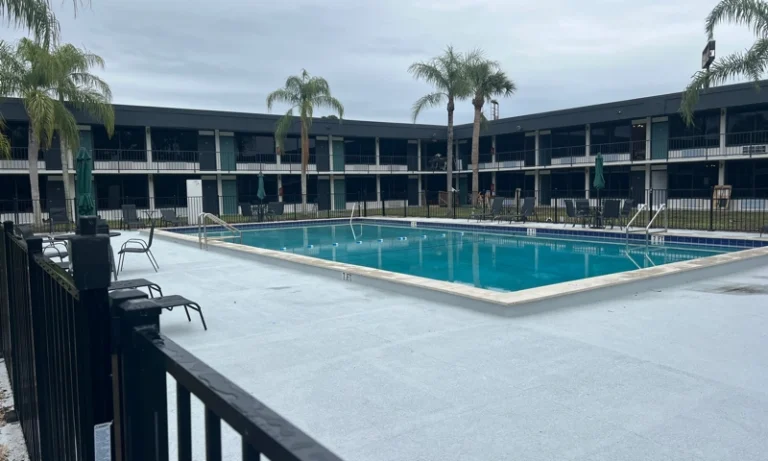
Leadership, Logistics and Loyalty: What Hotel Management Teaches You – Image Credit Unsplash
Behind every smooth hotel stay lies a series of complex systems, coordinated teams, and well-timed decisions, all orchestrated by skilled hotel managers. While the guest sees the polished outcome, warm welcome, a clean room, and an effortless experience, what they don’t see is the leadership, logistics, and long-term thinking that make it possible.
Hotel management is more than a job title. It’s a discipline that sharpens business acumen, teaches emotional intelligence, and demands problem-solving under pressure. Whether someone ends up running a property, leading a brand, or moving into another sector altogether, the lessons learned in hotel management are widely transferable and deeply valuable.
Here’s a closer look at what managing a hotel truly teaches you and why it’s one of the most well-rounded forms of business education available today.
Leadership: running teams with purpose
Hotels are living, breathing operations. Managers lead teams that span departments, cultures, shifts, and skill levels, from front desk and housekeeping to F&B, maintenance, and events. No two days are the same, and no two employees are motivated in the same way.
That’s where hotel managers learn to lead not just by authority, but by influence. They master the art of clear communication, cultural sensitivity, and conflict resolution—all under real-time pressure. And because service is at the heart of the business, leadership is always people-focused, both inwardly (with staff) and outwardly (with guests).
In short, hotel managers don’t just direct—they inspire, support, and set the tone for the entire operation.
Logistics: mastering complexity with calm
From occupancy forecasts to inventory planning and staff scheduling, hotel managers are essentially supply chain and operations experts in disguise. They balance fluctuating demand, high guest expectations, and strict budgets—often in 24/7 environments.
Managing a hotel teaches you how to prioritize, plan, and pivot. You learn how to create efficient workflows, manage crises with a cool head, and keep things moving even when unexpected challenges arise. Whether it’s a system failure, a last-minute VIP arrival, or a staffing shortage, managers must make quick, informed decisions without disrupting the guest experience.
These logistical skills are invaluable in any industry where timing, coordination, and agility matter.
Loyalty: building experiences that last
In hospitality, loyalty is personal. Unlike other industries, hotels don’t just sell a product—they deliver an experience. That means customer satisfaction isn’t a line on a report—it’s something felt in the lobby, the room, and the tone of every interaction.
Hotel management teaches professionals how to build emotional loyalty by focusing on service design, personalization, and brand consistency. Managers learn what makes guests come back, how to exceed expectations without overspending, and how to align team behavior with brand values.
They also gain firsthand insight into feedback loops, reputation management, and the importance of owning mistakes—skills that translate into strong customer-focused thinking in any role.
Adaptability: staying calm in a world of change
The hospitality industry is shaped by external factors—economic shifts, travel trends, weather, public health, and more. Hotel managers quickly learn to operate in dynamic environments, adapt to new technology, and manage uncertainty with resilience.
That adaptability, paired with analytical thinking, allows them to make fast, high-stakes decisions and keep teams aligned. Whether it’s responding to global disruption or daily operational hiccups, hotel managers are trained to navigate change with calm, clarity, and care.
The broader business education
Hotel management blends elements of finance, HR, marketing, IT, operations, and customer service. It’s one of the few disciplines where all business functions intersect and are experienced in real time.
That’s why institutions like Les Roches have developed programs that go beyond traditional management theory. Their curriculum integrates leadership, logistics, innovation, and sustainability—while offering real-world experience through internships and industry collaboration. Graduates walk away with a global mindset and the practical skills to lead in hospitality and beyond.
Final thoughts
Whether you’re managing a boutique property or overseeing multiple assets, hotel management teaches more than just how to run a business—it teaches how to lead with empathy, think strategically under pressure, and create experiences that people remember.
It’s a crash course in business, psychology, logistics, and leadership—all wrapped into one demanding, rewarding profession.
Leadership, Logistics and Loyalty: What Hotel Management Teaches You – Image Credit Unsplash
Behind every smooth hotel stay lies a series of complex systems, coordinated teams, and well-timed decisions, all orchestrated by skilled hotel managers. While the guest sees the polished outcome, warm welcome, a clean room, and an effortless experience, what they don’t see is the leadership, logistics, and long-term thinking that make it possible.
Hotel management is more than a job title. It’s a discipline that sharpens business acumen, teaches emotional intelligence, and demands problem-solving under pressure. Whether someone ends up running a property, leading a brand, or moving into another sector altogether, the lessons learned in hotel management are widely transferable and deeply valuable.
Here’s a closer look at what managing a hotel truly teaches you and why it’s one of the most well-rounded forms of business education available today.
Leadership: running teams with purpose
Hotels are living, breathing operations. Managers lead teams that span departments, cultures, shifts, and skill levels, from front desk and housekeeping to F&B, maintenance, and events. No two days are the same, and no two employees are motivated in the same way.
That’s where hotel managers learn to lead not just by authority, but by influence. They master the art of clear communication, cultural sensitivity, and conflict resolution—all under real-time pressure. And because service is at the heart of the business, leadership is always people-focused, both inwardly (with staff) and outwardly (with guests).
In short, hotel managers don’t just direct—they inspire, support, and set the tone for the entire operation.
Logistics: mastering complexity with calm
From occupancy forecasts to inventory planning and staff scheduling, hotel managers are essentially supply chain and operations experts in disguise. They balance fluctuating demand, high guest expectations, and strict budgets—often in 24/7 environments.
Managing a hotel teaches you how to prioritize, plan, and pivot. You learn how to create efficient workflows, manage crises with a cool head, and keep things moving even when unexpected challenges arise. Whether it’s a system failure, a last-minute VIP arrival, or a staffing shortage, managers must make quick, informed decisions without disrupting the guest experience.
These logistical skills are invaluable in any industry where timing, coordination, and agility matter.
Loyalty: building experiences that last
In hospitality, loyalty is personal. Unlike other industries, hotels don’t just sell a product—they deliver an experience. That means customer satisfaction isn’t a line on a report—it’s something felt in the lobby, the room, and the tone of every interaction.
Hotel management teaches professionals how to build emotional loyalty by focusing on service design, personalization, and brand consistency. Managers learn what makes guests come back, how to exceed expectations without overspending, and how to align team behavior with brand values.
They also gain firsthand insight into feedback loops, reputation management, and the importance of owning mistakes—skills that translate into strong customer-focused thinking in any role.
Adaptability: staying calm in a world of change
The hospitality industry is shaped by external factors—economic shifts, travel trends, weather, public health, and more. Hotel managers quickly learn to operate in dynamic environments, adapt to new technology, and manage uncertainty with resilience.
That adaptability, paired with analytical thinking, allows them to make fast, high-stakes decisions and keep teams aligned. Whether it’s responding to global disruption or daily operational hiccups, hotel managers are trained to navigate change with calm, clarity, and care.
The broader business education
Hotel management blends elements of finance, HR, marketing, IT, operations, and customer service. It’s one of the few disciplines where all business functions intersect and are experienced in real time.
That’s why institutions like Les Roches have developed programs that go beyond traditional management theory. Their curriculum integrates leadership, logistics, innovation, and sustainability—while offering real-world experience through internships and industry collaboration. Graduates walk away with a global mindset and the practical skills to lead in hospitality and beyond.
Final thoughts
Whether you’re managing a boutique property or overseeing multiple assets, hotel management teaches more than just how to run a business—it teaches how to lead with empathy, think strategically under pressure, and create experiences that people remember.
It’s a crash course in business, psychology, logistics, and leadership—all wrapped into one demanding, rewarding profession.