/ Mar 21, 2026
Trending
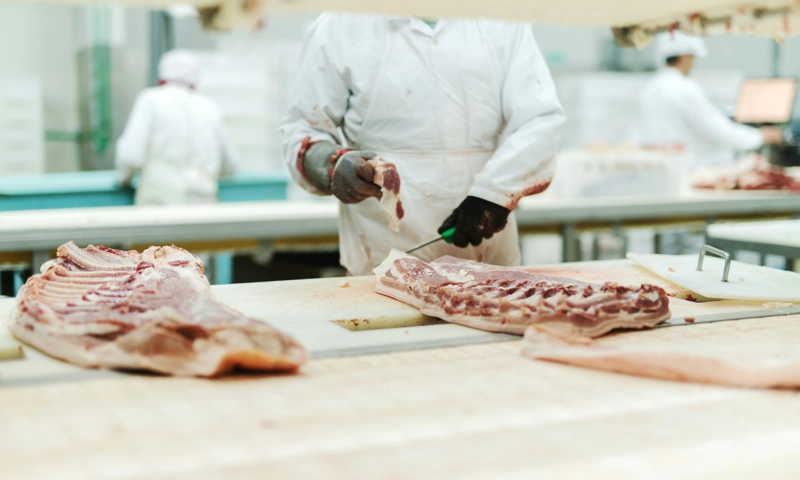

Potential SPS Agreement to Impact UK-EU Hospitality Supply Chains – Image Credit Unsplash+
The UK and EU are negotiating a Sanitary and Phytosanitary (SPS) Agreement aimed at simplifying the movement of food, plants, and animals between the regions, potentially impacting hospitality supply chains.
UKHospitality’s official food safety partner, Food Alert, reports that the United Kingdom and the European Union are in discussions to establish a Sanitary and Phytosanitary (SPS) Agreement, which could streamline the trade of food, plants, and animals between the two regions. This development is significant for the hospitality industry, which relies heavily on efficient and predictable supply chains.
The proposed SPS Agreement seeks to address the complexities that arose following the UK’s exit from the EU, which resulted in new requirements for certificates, inspections, and border checks. These changes have caused delays and increased costs for businesses dependent on timely deliveries, such as those in the hospitality sector.
Key elements of the SPS Agreement include:
1. Territorial Scope: The agreement will apply to trade between the EU and Great Britain, with specific implications for Northern Ireland under the Windsor Framework. Goods moving between Great Britain and Northern Ireland could benefit from simplified processes if the agreement is fully implemented.
2. Dynamic Regulatory Alignment: Great Britain would need to align with relevant EU SPS laws. Any divergence could lead to the reimposition of border checks. UK food and agriculture importers would need to monitor changes in EU legislation and ensure compliance.
3. Streamlined Certification: The agreement could eliminate the need for Export Health Certificates and Phytosanitary Certificates for most agri-food trade between the UK and EU, reducing paperwork and facilitating cross-border trade.
4. Exceptions and Safeguards: The agreement allows for limited exceptions to alignment, provided UK standards are equal to or higher than those of the EU. Goods entering the EU must remain compliant, maintaining a focus on compliance and traceability.
5. Joint Governance and Dispute Resolution: The framework would be overseen by a joint EU-UK governance mechanism and arbitration panel, with the Court of Justice of the EU having final jurisdiction on EU law matters.
Recent developments include the UK government’s suspension of additional checks on live animals and certain plant and animal products from Ireland and Northern Ireland, deemed “disproportionate” while negotiations continue. Non-qualifying goods from these regions can enter the UK without physical inspections, although certification and pre-notification may still apply.
Negotiations are focusing on “dynamic alignment,” where the UK would maintain its SPS rules in line with the EU’s evolving standards. This alignment could stabilize supply chains, though it may limit the UK’s ability to set independent rules. The scope of the agreement could cover sanitary and phytosanitary controls, food safety, consumer protection, and more.
For hospitality businesses, the agreement could lead to more reliable supply chains, reduced paperwork, and lower import costs. However, some goods may still require certification or advance notification, and risk-based checks will remain.
Businesses are advised to assess their supply chains to identify potential benefits and challenges from the SPS Agreement. Staying informed about regulatory updates and maintaining flexibility in operations will be crucial as the agreement progresses.
Potential SPS Agreement to Impact UK-EU Hospitality Supply Chains – Image Credit Unsplash+
The UK and EU are negotiating a Sanitary and Phytosanitary (SPS) Agreement aimed at simplifying the movement of food, plants, and animals between the regions, potentially impacting hospitality supply chains.
UKHospitality’s official food safety partner, Food Alert, reports that the United Kingdom and the European Union are in discussions to establish a Sanitary and Phytosanitary (SPS) Agreement, which could streamline the trade of food, plants, and animals between the two regions. This development is significant for the hospitality industry, which relies heavily on efficient and predictable supply chains.
The proposed SPS Agreement seeks to address the complexities that arose following the UK’s exit from the EU, which resulted in new requirements for certificates, inspections, and border checks. These changes have caused delays and increased costs for businesses dependent on timely deliveries, such as those in the hospitality sector.
Key elements of the SPS Agreement include:
1. Territorial Scope: The agreement will apply to trade between the EU and Great Britain, with specific implications for Northern Ireland under the Windsor Framework. Goods moving between Great Britain and Northern Ireland could benefit from simplified processes if the agreement is fully implemented.
2. Dynamic Regulatory Alignment: Great Britain would need to align with relevant EU SPS laws. Any divergence could lead to the reimposition of border checks. UK food and agriculture importers would need to monitor changes in EU legislation and ensure compliance.
3. Streamlined Certification: The agreement could eliminate the need for Export Health Certificates and Phytosanitary Certificates for most agri-food trade between the UK and EU, reducing paperwork and facilitating cross-border trade.
4. Exceptions and Safeguards: The agreement allows for limited exceptions to alignment, provided UK standards are equal to or higher than those of the EU. Goods entering the EU must remain compliant, maintaining a focus on compliance and traceability.
5. Joint Governance and Dispute Resolution: The framework would be overseen by a joint EU-UK governance mechanism and arbitration panel, with the Court of Justice of the EU having final jurisdiction on EU law matters.
Recent developments include the UK government’s suspension of additional checks on live animals and certain plant and animal products from Ireland and Northern Ireland, deemed “disproportionate” while negotiations continue. Non-qualifying goods from these regions can enter the UK without physical inspections, although certification and pre-notification may still apply.
Negotiations are focusing on “dynamic alignment,” where the UK would maintain its SPS rules in line with the EU’s evolving standards. This alignment could stabilize supply chains, though it may limit the UK’s ability to set independent rules. The scope of the agreement could cover sanitary and phytosanitary controls, food safety, consumer protection, and more.
For hospitality businesses, the agreement could lead to more reliable supply chains, reduced paperwork, and lower import costs. However, some goods may still require certification or advance notification, and risk-based checks will remain.
Businesses are advised to assess their supply chains to identify potential benefits and challenges from the SPS Agreement. Staying informed about regulatory updates and maintaining flexibility in operations will be crucial as the agreement progresses.