/ Mar 29, 2026
Trending
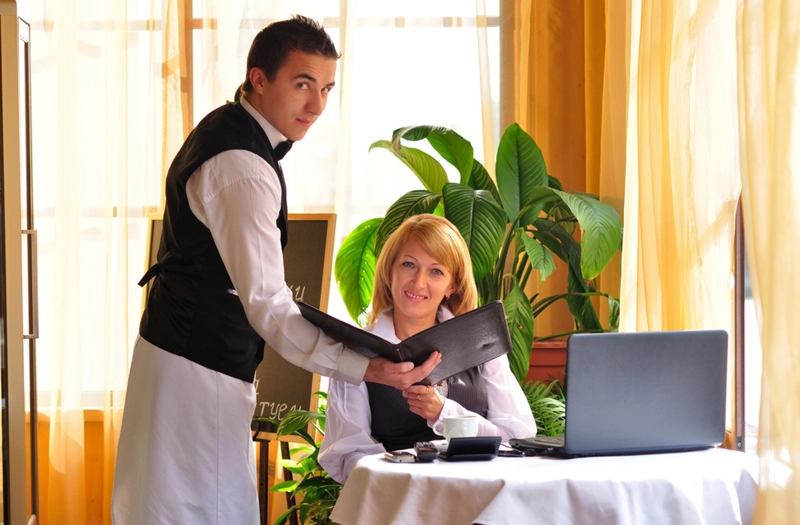

Image Credit Meyer Jabara Hotels
Mobile ordering and delivery apps are making it too convenient for people to order meals in vs. going out to eat; To bring diners back it takes the right concepts, menus, ingredients, portion sizes, local flavors, and more
The most successful hotel restaurants are ones that strike a balance between personal taste and perceived value. As a consumer myself, I am sometimes guilty of dining out and thinking: “I could have made this dish better myself at home,” or “At these prices, this meal better be worth it.”
The problem with this way of thinking is that people are replacing FOMO (Fear of Missing Out) with JOMO (Joy of Missing Out). That consumer mindset can be detrimental to a restaurant’s reputation and its bottom line. When I find myself questioning my dining choices, I put on my corporate director of F&B hat and try to identify the root of the problem. “What is this restaurant doing wrong? Is it the concept? The menu? The ingredients? The portion sizes? The lack of local flavor?”
Here are 5 trends that chefs and F&B directors can embrace to help put joy back into the on-site restaurant experience or JODO (Joy of Dining Out):
Boutique hotels and upscale lounges especially benefit from smoked cocktails because they project a sense of innovation, mindfulness, and luxury. They align with the current “experiential luxury” trend—offering more than just food and drink, but an atmosphere and feeling. Finally, smoking cocktails, cheeses, and even charcuterie items with a variety of woods, herbs (like rosemary or sage), teas, or spices, giving bartenders and wait staff creative flexibility and allowing for seasonal or local customization, which fits perfectly into themed menus or regional F&B programming.
The F&B industry is evolving faster than ever, and the businesses that thrive will be the ones that embrace change, not resist it. Today’s diners are not just buying a meal; they want a story, a vibe, a memory. Static operations risk becoming irrelevant if they do not evolve to meet those expectations.
Adaptability = profitability. The most successful F&B operators do not just chase trends — they anticipate them, test ideas quickly, and stay emotionally connected to their guests. Embracing change is not a risk; it’s a growth strategy.
About the Author

Guy Reinbold is Corporate Director of Food and Beverage for Meyer Jabara Hotels, an award-winning hospitality company owning and operating 45 hotels and 36 food-and-beverage outlets in 20 states across the United States. The company strives to create success for all it serves. For more information on Meyer Jabara Hotels, visit www.meyerjabarahotels.com.
Image Credit Meyer Jabara Hotels
Mobile ordering and delivery apps are making it too convenient for people to order meals in vs. going out to eat; To bring diners back it takes the right concepts, menus, ingredients, portion sizes, local flavors, and more
The most successful hotel restaurants are ones that strike a balance between personal taste and perceived value. As a consumer myself, I am sometimes guilty of dining out and thinking: “I could have made this dish better myself at home,” or “At these prices, this meal better be worth it.”
The problem with this way of thinking is that people are replacing FOMO (Fear of Missing Out) with JOMO (Joy of Missing Out). That consumer mindset can be detrimental to a restaurant’s reputation and its bottom line. When I find myself questioning my dining choices, I put on my corporate director of F&B hat and try to identify the root of the problem. “What is this restaurant doing wrong? Is it the concept? The menu? The ingredients? The portion sizes? The lack of local flavor?”
Here are 5 trends that chefs and F&B directors can embrace to help put joy back into the on-site restaurant experience or JODO (Joy of Dining Out):
Boutique hotels and upscale lounges especially benefit from smoked cocktails because they project a sense of innovation, mindfulness, and luxury. They align with the current “experiential luxury” trend—offering more than just food and drink, but an atmosphere and feeling. Finally, smoking cocktails, cheeses, and even charcuterie items with a variety of woods, herbs (like rosemary or sage), teas, or spices, giving bartenders and wait staff creative flexibility and allowing for seasonal or local customization, which fits perfectly into themed menus or regional F&B programming.
The F&B industry is evolving faster than ever, and the businesses that thrive will be the ones that embrace change, not resist it. Today’s diners are not just buying a meal; they want a story, a vibe, a memory. Static operations risk becoming irrelevant if they do not evolve to meet those expectations.
Adaptability = profitability. The most successful F&B operators do not just chase trends — they anticipate them, test ideas quickly, and stay emotionally connected to their guests. Embracing change is not a risk; it’s a growth strategy.
About the Author
Guy Reinbold is Corporate Director of Food and Beverage for Meyer Jabara Hotels, an award-winning hospitality company owning and operating 45 hotels and 36 food-and-beverage outlets in 20 states across the United States. The company strives to create success for all it serves. For more information on Meyer Jabara Hotels, visit www.meyerjabarahotels.com.