/ May 16, 2026
Trending
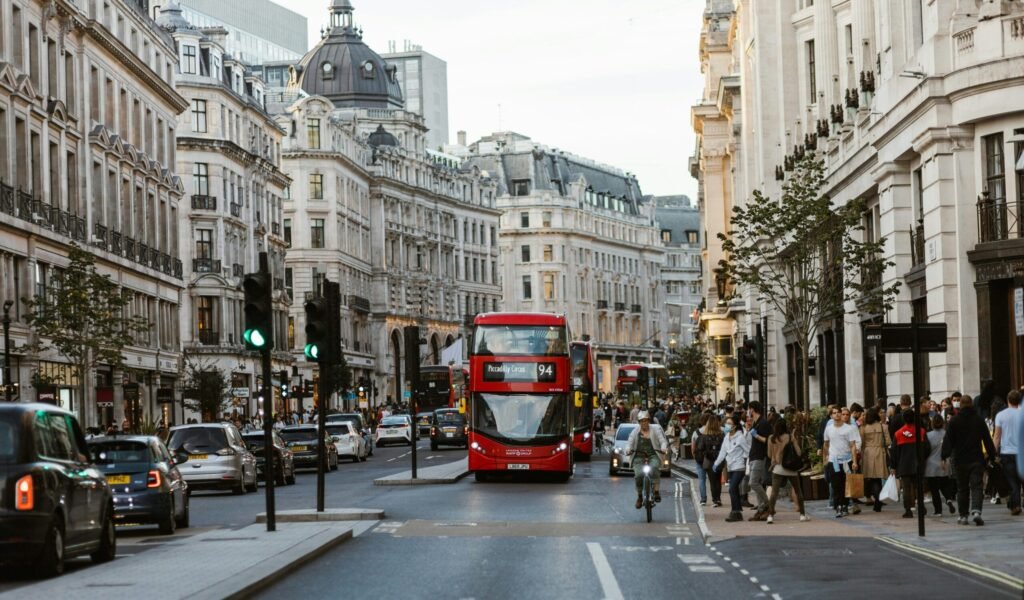
UK hotel operating profits have declined in February as stagnant occupancy levels and rising labour costs offset marginal increases in average daily room rates across the country, according to RSM UK Hotel Tracker.
The data, which is compiled and produced by Hotstats and analysed by RSM UK, revealed that Gross operating profits fell from 23.4% to 22.3% nationally and from 26.3% to 24.2% in the capital.
Although national occupancy rose slightly from 71.7% to 71.9% year-on-year, London experienced a decrease from 72.9% to 72.3%.
The decline in profitability has been attributed to increased staff costs and the limited ability of hoteliers to further raise room rates during a period of seasonally weaker demand.
Revenue per available room (RevPAR) also remained largely flat in London at £128.54, while the wider UK market saw a minor increase to £92.07.
The sector faces further financial pressure from an imminent rise in the National Minimum Wage, adjusted business rates, and increased energy costs.
Chris Tate, partner and head of hotels at RSM UK, said: “The hotel industry had a February, with the UK market faring slightly better than London. Given demand is weaker at this time of year, hoteliers have maxed out their ability to increase room rates, meaning cost rises are hitting the bottom line.
“The increase in staff costs are largely behind the fall in profitability. As the Middle East conflict continues, this will weigh on consumer sentiment and their desire to spend on luxuries such as travel. This, combined with the rise in national minimum wage and business rates, will mean the sector faces lower demand and increased costs.”
Thomas Pugh, chief economist at RSM UK, added: “The hotel sector faces a blow from the energy crisis. As an energy intensive service industry, the sector will face a bigger increase in input costs than others.
“Rising energy costs for consumers mean a squeeze in disposable incomes that will likely result in a drop in spending on hotel stays. The sharp rise in travel costs and an increase in business input costs are likely to curtail business travel. The result is likely to be a reduction in hotels’ margins.”
UK hotel operating profits have declined in February as stagnant occupancy levels and rising labour costs offset marginal increases in average daily room rates across the country, according to RSM UK Hotel Tracker.
The data, which is compiled and produced by Hotstats and analysed by RSM UK, revealed that Gross operating profits fell from 23.4% to 22.3% nationally and from 26.3% to 24.2% in the capital.
Although national occupancy rose slightly from 71.7% to 71.9% year-on-year, London experienced a decrease from 72.9% to 72.3%.
The decline in profitability has been attributed to increased staff costs and the limited ability of hoteliers to further raise room rates during a period of seasonally weaker demand.
Revenue per available room (RevPAR) also remained largely flat in London at £128.54, while the wider UK market saw a minor increase to £92.07.
The sector faces further financial pressure from an imminent rise in the National Minimum Wage, adjusted business rates, and increased energy costs.
Chris Tate, partner and head of hotels at RSM UK, said: “The hotel industry had a February, with the UK market faring slightly better than London. Given demand is weaker at this time of year, hoteliers have maxed out their ability to increase room rates, meaning cost rises are hitting the bottom line.
“The increase in staff costs are largely behind the fall in profitability. As the Middle East conflict continues, this will weigh on consumer sentiment and their desire to spend on luxuries such as travel. This, combined with the rise in national minimum wage and business rates, will mean the sector faces lower demand and increased costs.”
Thomas Pugh, chief economist at RSM UK, added: “The hotel sector faces a blow from the energy crisis. As an energy intensive service industry, the sector will face a bigger increase in input costs than others.
“Rising energy costs for consumers mean a squeeze in disposable incomes that will likely result in a drop in spending on hotel stays. The sharp rise in travel costs and an increase in business input costs are likely to curtail business travel. The result is likely to be a reduction in hotels’ margins.”
It is a long established fact that a reader will be distracted by the readable content of a page when looking at its layout. The point of using Lorem Ipsum is that it has a more-or-less normal distribution of letters, as opposed to using ‘Content here, content here’, making it look like readable English. Many desktop publishing packages and web page editors now use Lorem Ipsum as their default model text, and a search for ‘lorem ipsum’ will uncover many web sites still in their infancy.
It is a long established fact that a reader will be distracted by the readable content of a page when looking at its layout. The point of using Lorem Ipsum is that it has a more-or-less normal distribution of letters, as opposed to using ‘Content here, content here’, making it look like readable English. Many desktop publishing packages and web page editors now use Lorem Ipsum as their default model text, and a search for ‘lorem ipsum’ will uncover many web sites still in their infancy.
The point of using Lorem Ipsum is that it has a more-or-less normal distribution of letters, as opposed to using ‘Content here, content here’, making

The point of using Lorem Ipsum is that it has a more-or-less normal distribution of letters, as opposed to using ‘Content here, content here’, making it look like readable English. Many desktop publishing packages and web page editors now use Lorem Ipsum as their default model text, and a search for ‘lorem ipsum’ will uncover many web sites still in their infancy.

It is a long established fact that a reader will be distracted by the readable content of a page when looking at its layout. The point of using Lorem Ipsum is that it has a more-or-less normal distribution
Copyright BlazeThemes. 2023