/ May 07, 2026
Trending
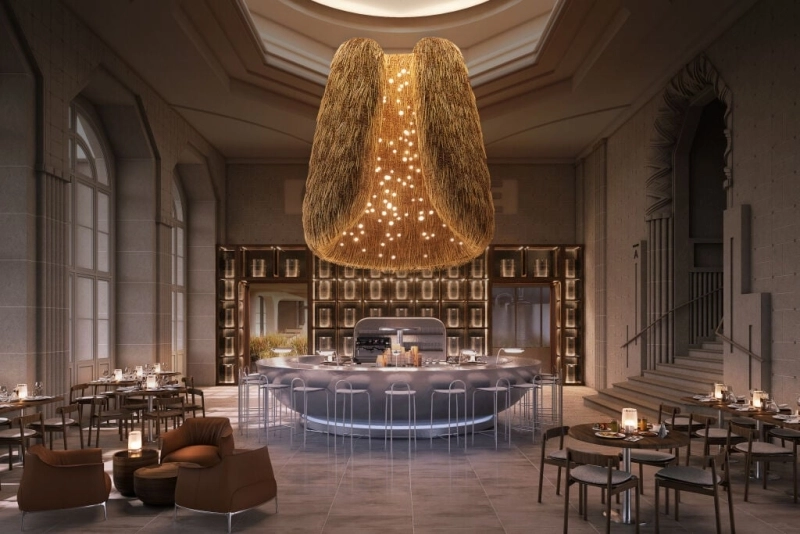

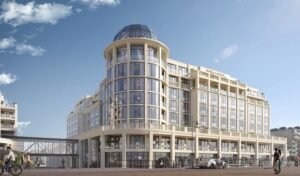
Ground Floor Rendering (Brasserie and Grab & Go) – Image Credit Cayuga Hospitality Consultants
We recently participated in a bid for a restaurant space in one of Paris’ heritage train stations. After conducting a thorough feasibility study, which included researching the station, competitive set, and customer traffic flowing through the train station (we had identified 4 customer target segments: commuters, tourists, neighborhood locals, and business travelers), we knew that if we won the bid and managed to execute our vision of the space, we would add significant value to the train station and that the space would have the potential to become a genuine F&B destination.
Restaurant Concept & Preparation
Our team (architect, branding and operations) got to work and presented our concept, the story and the 360° experiential model of the 7500 sqf 3-storied site to the retail committee. The concept featured:
* See design layout and renderings below
We were thrilled when we learned that we had won the contest and were selected by the committee. What had set us apart was the uniqueness of the concept, that we had captured the potential of the space and responded to the expectation in adding significant value to the train station, i.e. by contributing to creating a new lifestyle destination hub for shopping & dining (as a reference for a successful case study, St. Pancras Station in London had been the pioneer in creating such new lifestyle spaces in train stations).
So far, so good!
Restaurant Feasibility & Execution Phase
The following months became more grueling, once we moved from concept phase to the technical feasibility and execution phase. The further we advanced, the more we ran into roadblocks. This eventually led us to listen our experts’ opinions, which at times can be overcautious and avoid any type of risk. Legal (contract), technical execution (project feasibility) and accounting (business economics) issues were sifted through. After the red flags kept piling up, we came to terms with the reality of the project:
Legal & Contractual Implications:
Train stations and airports are busy places with a lot of variables that you cannot control. Technical equipment such as water supply and evacuation, HVAC systems (heating, ventilation, air conditioning) and electrical power circuits are shared (heavy overhead contributions in maintenance, equipment not always in optimal condition, unpredictable shutdowns or maintenance works which can impact operations etc.).
Further, constraints linked to public venues such as airports and train stations creates a risk where lease holders bear the cost for any loss of activity (in our case 100% of the burden was to be absorbed by our operation), e.g. workers strike, train cancellation due to bad weather and/or operational issues, abandoned luggage requiring security protocols and hence cutting off access to our restaurant, just to name but a few.
Restaurant Technical Feasibility:
The heritage train station being a protected building site (the station opened in 1850), required us to work around technical boundaries such as
Business (Re)Model:
The many issues that came to light required us, as operators, to run the numbers and revisit the financial feasibility again. We soon realized that the hurdles encountered in trying to bring the project to life, would have resulted in major project cost increases and a high level of uncertainty, which in result made the project unviable in its state for any private profit-oriented company to proceed.
NB: We usually identify such issues before recommending our customers to engage in a lease, but as this exceptional venue required a public bidding process, we decided, for timing and cost management purposes, not to engage in such feasibility study before being sure we won the bid (in our case the agreement with the landlord made the project feasibility a condition for signing the lease).
We eventually pulled the plug and cut our losses, and up until to today the venue has not been leased out.
Learning when to Walk Away from a Restaurant Project
At times, even with a grand idea and project, you just must be able let things go. Far too many projects end up being poorly planned and technical and/or legal implications underestimated. What can also occur is that the initial vision of the concept becomes a big compromise, altering its authenticity and experience, leading to incomplete projects that fit into a set budget but leaving the concept half executed, killing the experience.
As F&B concept developers, we were invested and driving this project. We became emotionally attached to it, which for us is key in bringing a “baby” to life. The hospitality industry is all about people, and it’s with and through people that we create emotions. Your customers can feel the difference in experience and within spaces that have had a lot of heart during their conception.
Yet beware!
Restaurant Feasibility Takeaways:
Restaurant Concept, Layout & Renderings


About the author

German-born Frank Schuetzendorf has built his international hospitality career over the past 25 years as a Food and Beverage professional within the top luxury hotel market. Frank is the founder of Pariscape Consulting and co-founder of Brassage Studios, consultant at Cayuga Hospitality Consultants and holds an adjunct professor title at Glion Institute of Higher Education, Switzerland, Ecole Ducasse and Essec business school in Paris. Pariscape Consulting offers various workshops to assist food and beverage operators. He has had various operational and executive management roles in food & beverage, at the Hotel Plaza Athénée in Paris, Klaret Group, Shangri-La Hotels and Resorts, plus Four Seasons Hotels and Resorts, to name a few. He holds a Master of Business Administration from the Open University, UK.
This article originally appeared on Cayuga Hospitality Consultants.
Ground Floor Rendering (Brasserie and Grab & Go) – Image Credit Cayuga Hospitality Consultants
We recently participated in a bid for a restaurant space in one of Paris’ heritage train stations. After conducting a thorough feasibility study, which included researching the station, competitive set, and customer traffic flowing through the train station (we had identified 4 customer target segments: commuters, tourists, neighborhood locals, and business travelers), we knew that if we won the bid and managed to execute our vision of the space, we would add significant value to the train station and that the space would have the potential to become a genuine F&B destination.
Restaurant Concept & Preparation
Our team (architect, branding and operations) got to work and presented our concept, the story and the 360° experiential model of the 7500 sqf 3-storied site to the retail committee. The concept featured:
* See design layout and renderings below
We were thrilled when we learned that we had won the contest and were selected by the committee. What had set us apart was the uniqueness of the concept, that we had captured the potential of the space and responded to the expectation in adding significant value to the train station, i.e. by contributing to creating a new lifestyle destination hub for shopping & dining (as a reference for a successful case study, St. Pancras Station in London had been the pioneer in creating such new lifestyle spaces in train stations).
So far, so good!
Restaurant Feasibility & Execution Phase
The following months became more grueling, once we moved from concept phase to the technical feasibility and execution phase. The further we advanced, the more we ran into roadblocks. This eventually led us to listen our experts’ opinions, which at times can be overcautious and avoid any type of risk. Legal (contract), technical execution (project feasibility) and accounting (business economics) issues were sifted through. After the red flags kept piling up, we came to terms with the reality of the project:
Legal & Contractual Implications:
Train stations and airports are busy places with a lot of variables that you cannot control. Technical equipment such as water supply and evacuation, HVAC systems (heating, ventilation, air conditioning) and electrical power circuits are shared (heavy overhead contributions in maintenance, equipment not always in optimal condition, unpredictable shutdowns or maintenance works which can impact operations etc.).
Further, constraints linked to public venues such as airports and train stations creates a risk where lease holders bear the cost for any loss of activity (in our case 100% of the burden was to be absorbed by our operation), e.g. workers strike, train cancellation due to bad weather and/or operational issues, abandoned luggage requiring security protocols and hence cutting off access to our restaurant, just to name but a few.
Restaurant Technical Feasibility:
The heritage train station being a protected building site (the station opened in 1850), required us to work around technical boundaries such as
Business (Re)Model:
The many issues that came to light required us, as operators, to run the numbers and revisit the financial feasibility again. We soon realized that the hurdles encountered in trying to bring the project to life, would have resulted in major project cost increases and a high level of uncertainty, which in result made the project unviable in its state for any private profit-oriented company to proceed.
NB: We usually identify such issues before recommending our customers to engage in a lease, but as this exceptional venue required a public bidding process, we decided, for timing and cost management purposes, not to engage in such feasibility study before being sure we won the bid (in our case the agreement with the landlord made the project feasibility a condition for signing the lease).
We eventually pulled the plug and cut our losses, and up until to today the venue has not been leased out.
Learning when to Walk Away from a Restaurant Project
At times, even with a grand idea and project, you just must be able let things go. Far too many projects end up being poorly planned and technical and/or legal implications underestimated. What can also occur is that the initial vision of the concept becomes a big compromise, altering its authenticity and experience, leading to incomplete projects that fit into a set budget but leaving the concept half executed, killing the experience.
As F&B concept developers, we were invested and driving this project. We became emotionally attached to it, which for us is key in bringing a “baby” to life. The hospitality industry is all about people, and it’s with and through people that we create emotions. Your customers can feel the difference in experience and within spaces that have had a lot of heart during their conception.
Yet beware!
Restaurant Feasibility Takeaways:
Restaurant Concept, Layout & Renderings
About the author
German-born Frank Schuetzendorf has built his international hospitality career over the past 25 years as a Food and Beverage professional within the top luxury hotel market. Frank is the founder of Pariscape Consulting and co-founder of Brassage Studios, consultant at Cayuga Hospitality Consultants and holds an adjunct professor title at Glion Institute of Higher Education, Switzerland, Ecole Ducasse and Essec business school in Paris. Pariscape Consulting offers various workshops to assist food and beverage operators. He has had various operational and executive management roles in food & beverage, at the Hotel Plaza Athénée in Paris, Klaret Group, Shangri-La Hotels and Resorts, plus Four Seasons Hotels and Resorts, to name a few. He holds a Master of Business Administration from the Open University, UK.
This article originally appeared on Cayuga Hospitality Consultants.